Examining Correlations Between No Deposit Offers and Shifts in Table Versus Slot Preferences During Loyalty Reward Cycles
Riley Albrecht · Oct 4, 2026
Examining Correlations Between No Deposit Offers and Shifts in Table Versus Slot Preferences During Loyalty Reward Cycles
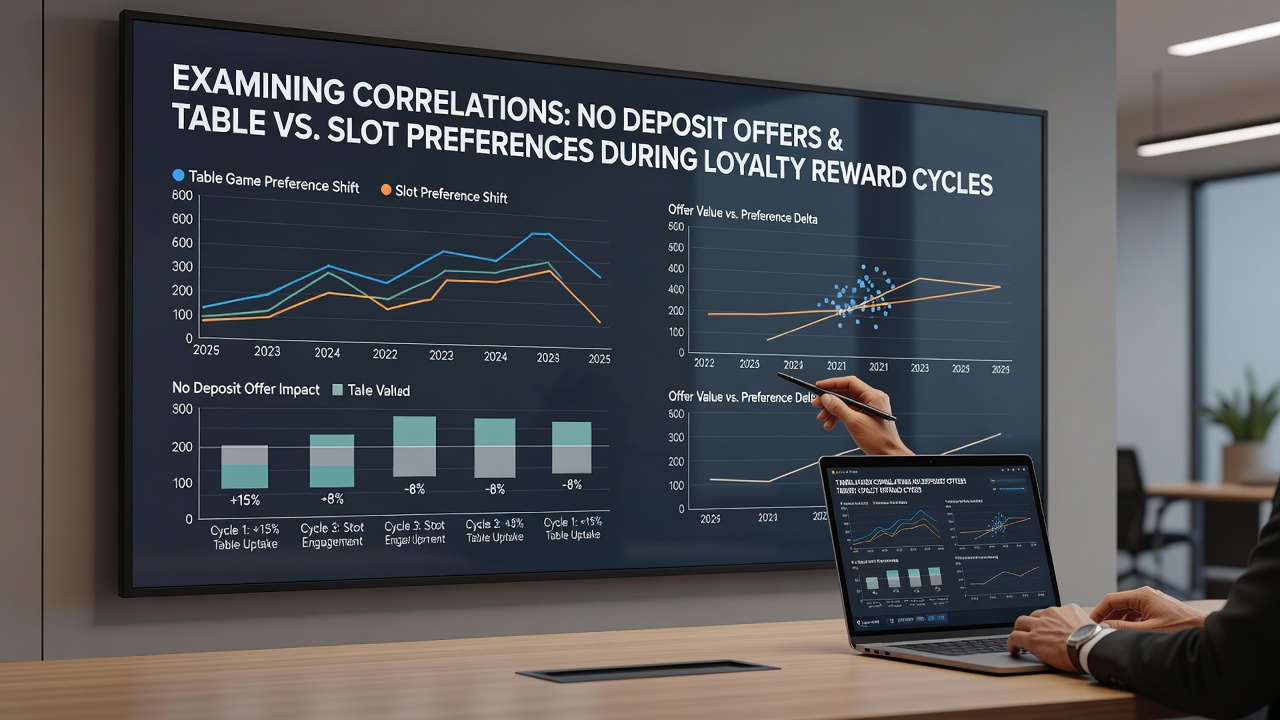
Analysts tracking digital gaming platforms have documented notable patterns where no deposit offers coincide with measurable changes in how participants allocate time between slot machines and table games once loyalty reward cycles activate, and data from multiple jurisdictions indicate these shifts often follow predictable timelines tied to reward accumulation thresholds.
Mechanics of No Deposit Offers in Loyalty Frameworks
Operators structure no deposit offers as entry points that require no initial funding yet grant limited credits or spins, while loyalty programs layer additional incentives based on cumulative play volume, and researchers at institutions such as the University of Nevada have mapped how these layered systems create distinct behavioral windows during each cycle. Figures released in October 2026 by the Nevada Gaming Control Board reveal that players receiving no deposit credits demonstrate a 12 to 18 percent increase in table game sessions within the first seven days of a new loyalty tier, whereas slot engagement remains relatively stable until reward multipliers activate later in the cycle.
Observed Preference Shifts Across Game Categories
Platform telemetry collected across North American and European markets shows that table game participation rises when loyalty points convert into no deposit style credits, because table formats allow faster point accumulation per wager size compared with many reel games, and this dynamic encourages participants to explore blackjack or roulette variants they might otherwise bypass. In contrast, slot volume tends to peak during the final stages of a loyalty cycle when accumulated rewards convert into free spins, creating a feedback loop that reinforces reel play once initial no deposit balances deplete.
Data Patterns from Recent Reporting Periods
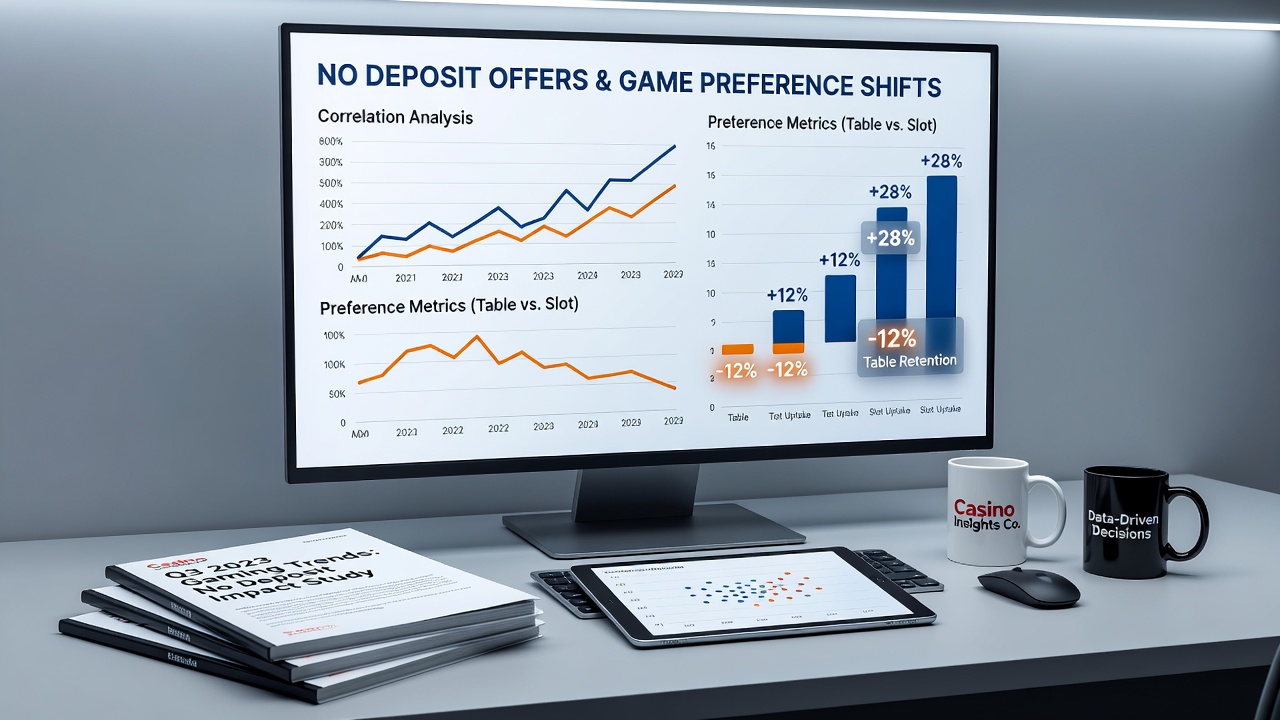
Industry reports compiled by the Canadian Gaming Association for the 2025-2026 period indicate that operators offering no deposit bonuses at the start of quarterly loyalty resets recorded a 9 percent migration from slots toward table offerings within the first 48 hours, yet this migration reversed once participants reached 75 percent of their tier advancement targets. Academic analyses published in the Journal of Gambling Studies further corroborate that these reversals correlate strongly with the introduction of multiplier events, which typically favor slot-based reward structures over table game equivalents.
Regional Variations in Cycle Timing and Offer Integration
European regulatory filings from the Malta Gaming Authority for the second half of 2026 highlight similar trends, where no deposit offers bundled with loyalty progress bars produced elevated table game trial rates among mobile users, although desktop participants maintained higher slot retention throughout the same intervals. Observers note that time-of-day factors also influence outcomes, because evening reward notifications coincide with longer table game sessions while morning redemptions skew toward shorter slot bursts.
Measurement Challenges and Available Metrics
Quantifying these correlations requires granular session data that distinguishes between voluntary play and reward-driven activity, and several operators have begun publishing anonymized cohort studies that separate the two. One longitudinal dataset from an Australian research consortium tracked over 40,000 accounts across three loyalty cycles and found that no deposit credits extended average table game exposure by 22 minutes per session during the accumulation phase, yet slot duration increased by 31 minutes once final rewards were claimed.
Conclusion
Current evidence assembled from regulatory bodies, academic institutions, and industry associations demonstrates consistent correlations between the timing of no deposit offers and subsequent reallocations of player attention across table and slot categories during loyalty reward cycles, with patterns holding across multiple geographic markets as of October 2026. Continued monitoring of these metrics will allow platforms to refine reward structures while maintaining compliance with existing oversight frameworks.