How Bonus Activation Sequences Influence Transitions Between Reel and Card Formats in Loyalty Milestone Celebrations Across Mobile Platforms
Amir Wolf · Oct 18, 2026
How Bonus Activation Sequences Influence Transitions Between Reel and Card Formats in Loyalty Milestone Celebrations Across Mobile Platforms
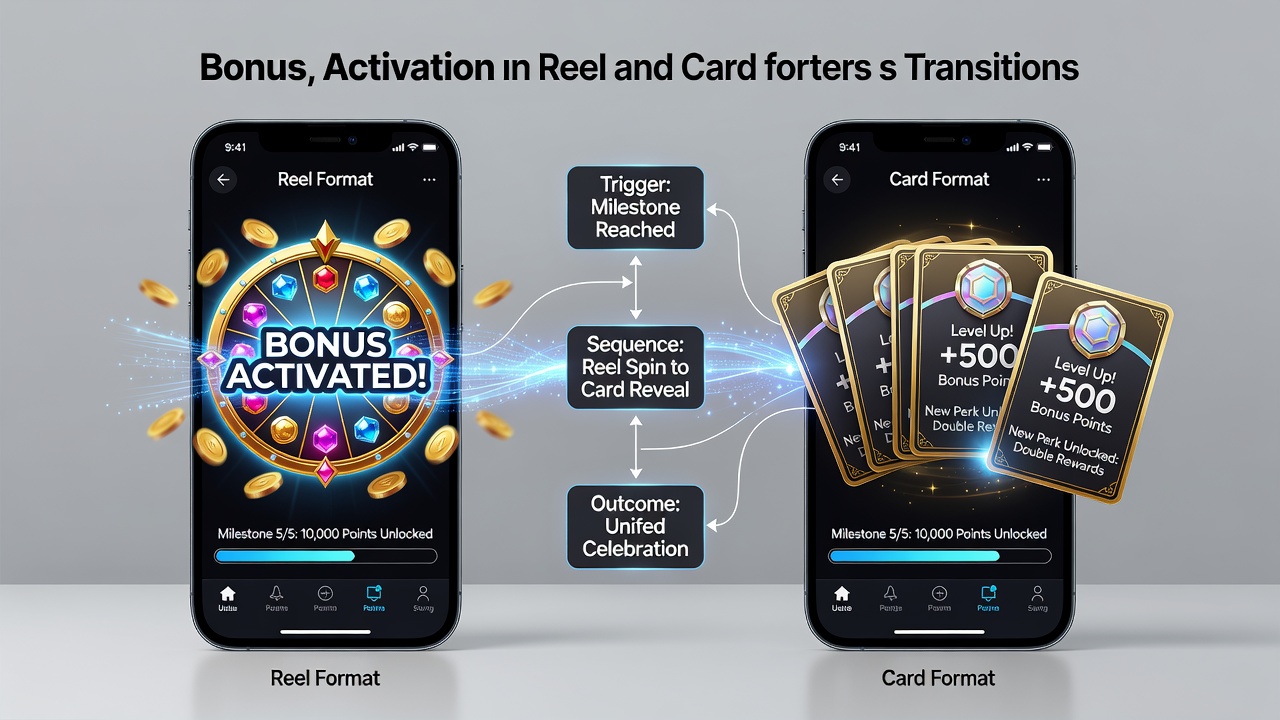
Bonus activation sequences operate as structured triggers within mobile gaming applications, and they guide users from reel-based slots into card format environments when loyalty milestones occur. These sequences typically involve a series of steps such as claim confirmation, game selection prompts, and format-specific multipliers that activate upon reaching tier thresholds, and data from platform analytics in October 2026 shows increased cross-format movement during these events.
Mechanics of Activation Sequences in Mobile Loyalty Systems
Platforms structure activation sequences to begin with a notification that appears once a player completes required playthrough metrics, after which the system presents options that include both reel and card titles. The sequence continues with automatic crediting of rewards that carry format-specific conditions, while researchers at the Canadian Centre for Gaming Research note that these steps reduce friction in switching between game types. Sequence design often incorporates timers and progress bars that encourage immediate engagement, and users encounter reel games first in many cases before the system suggests card transitions through targeted prompts.
Patterns of Reel to Card Format Shifts
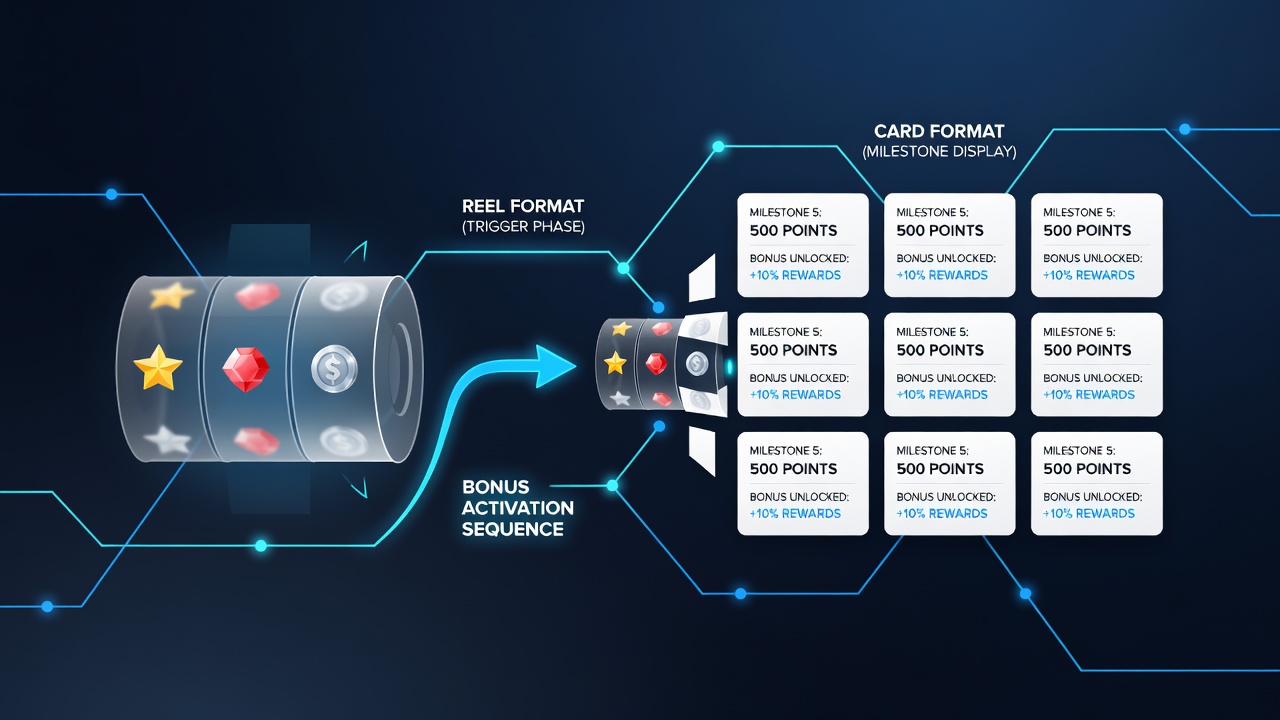
Transitions occur when activation sequences embed incentives that apply across formats, such as bonus credits that unlock higher table limits after initial reel play. Mobile applications track these movements through session data, and figures from the Australian Gambling Research Centre indicate that loyalty milestone celebrations produce measurable spikes in card game participation within the first hour of activation. Reel formats serve as entry points because of their visual appeal and faster spin cycles, whereas card formats require sustained attention that aligns with extended reward periods built into the sequence.
Role of Mobile Interface Design
Interface elements like swipe gestures and split-screen previews facilitate the shift from reels to cards, and these features integrate directly with the activation flow to maintain user momentum. Developers program sequences to detect device orientation changes that often accompany format switches, while studies from the University of Las Vegas gaming lab reveal that touch-optimized transitions increase completion rates for milestone rewards. The design keeps related game elements visible during the change, and this approach supports continued play without full screen reloads.
Data on Participation During Milestone Events
Platform reports compiled through 2026 document that sequences timed with loyalty tier upgrades generate higher transition volumes than standard bonus activations, and the pattern holds across multiple regions. Card formats receive more visits when sequences include progressive multipliers that build from reel base play, according to aggregated metrics shared by the European Gaming and Betting Association. Observers note that these events produce distinct session length extensions, particularly when the activation path includes guided prompts that highlight card table availability right after reel segments conclude.
Technical Factors Affecting Sequence Flow
Backend systems synchronize bonus states across game libraries so that progress carries forward when users move between reel and card offerings, and this synchronization relies on real-time API calls that update loyalty balances instantly. Mobile operating system constraints influence sequence pacing because background refresh limits can interrupt longer transitions, yet optimized code paths minimize such disruptions. Data centers supporting these platforms record peak loads during widespread milestone celebrations, and the resulting traffic patterns show concentrated shifts toward card formats once reel-based requirements clear.
Conclusion
Bonus activation sequences function as connectors that steer mobile users through reel and card formats at loyalty milestones, and the documented mechanics, interface features, and participation data illustrate how these pathways operate in practice. Continued platform updates in late 2026 maintain these structures while adapting to new device capabilities, which keeps the transition process efficient across varied user sessions.