Player Pathways Through Reward Ecosystems: Charting Offer Mechanics and Format Shifts in Digital Casino Settings
Quinn Hayes · Nov 15, 2026
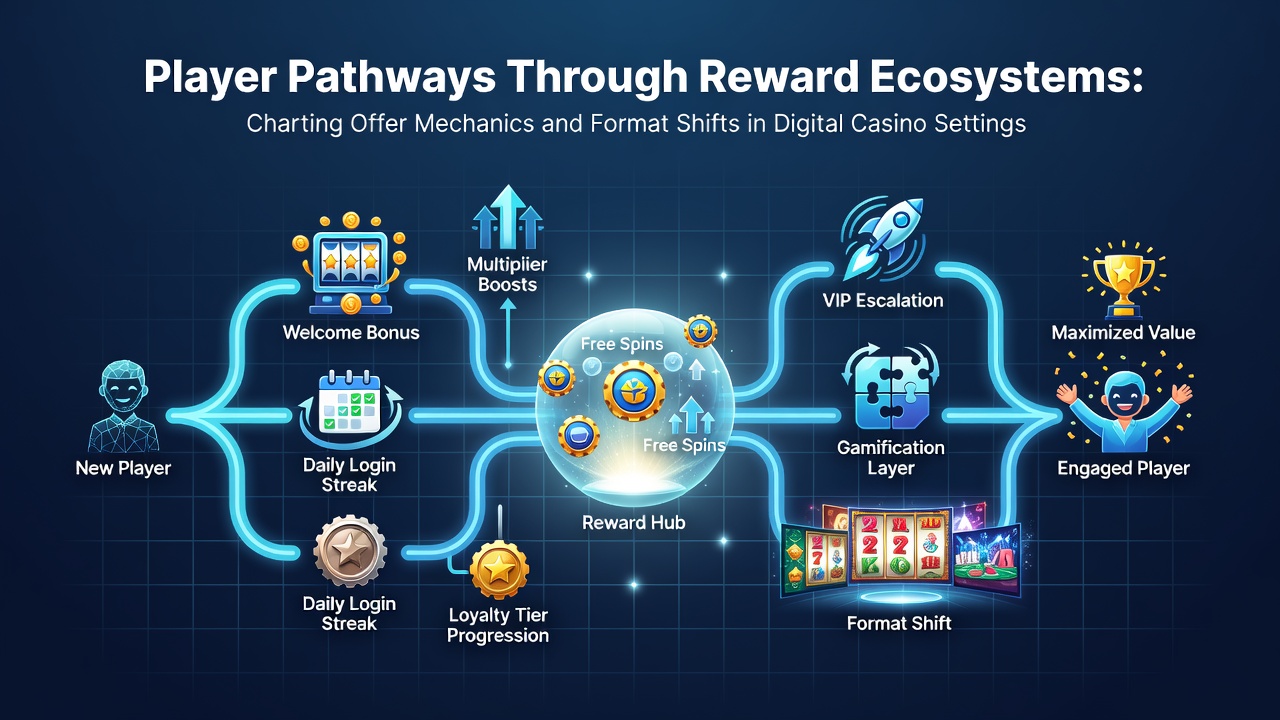
Player Pathways Through Reward Ecosystems: Charting Offer Mechanics and Format Shifts in Digital Casino Settings
Digital casino environments organize player movement through layered reward systems that connect initial engagement offers with ongoing mechanics designed to guide transitions across game categories, and observers note how these structures influence time allocation between reel-based options and table variants without relying on single-category focus.
Offer mechanics typically begin with structured entry points that credit accounts upon specific actions, then scale rewards based on cumulative activity metrics such as total wagers or session duration, while data from multiple platforms indicates that players who complete early milestones often receive prompts directing them toward alternative formats like live dealer tables after initial exposure to automated games.
Mechanics Driving Initial and Progressive Engagement
Entry-level offers establish baseline participation by linking deposit actions to credit multipliers that apply across multiple game types, yet subsequent layers adjust based on individual play histories so that frequent users encounter tailored incentives promoting shifts into new environments, and reports from regulatory bodies show consistent tracking of these sequences through anonymized session logs.
Format shifts occur when reward parameters change to favor certain categories at defined intervals, for instance prompting users who have reached wager thresholds to access table game variants through additional credit allocations, while industry analyses reveal that such adjustments correlate with measurable increases in cross-format exploration during peak activity periods.
Observed Patterns in Player Navigation
Tracking data collected across digital platforms demonstrates that users frequently begin in high-volume automated sections before reward signals encourage movement toward interactive formats, and this progression aligns with mechanical triggers embedded in the ecosystem that activate at predetermined activity markers.
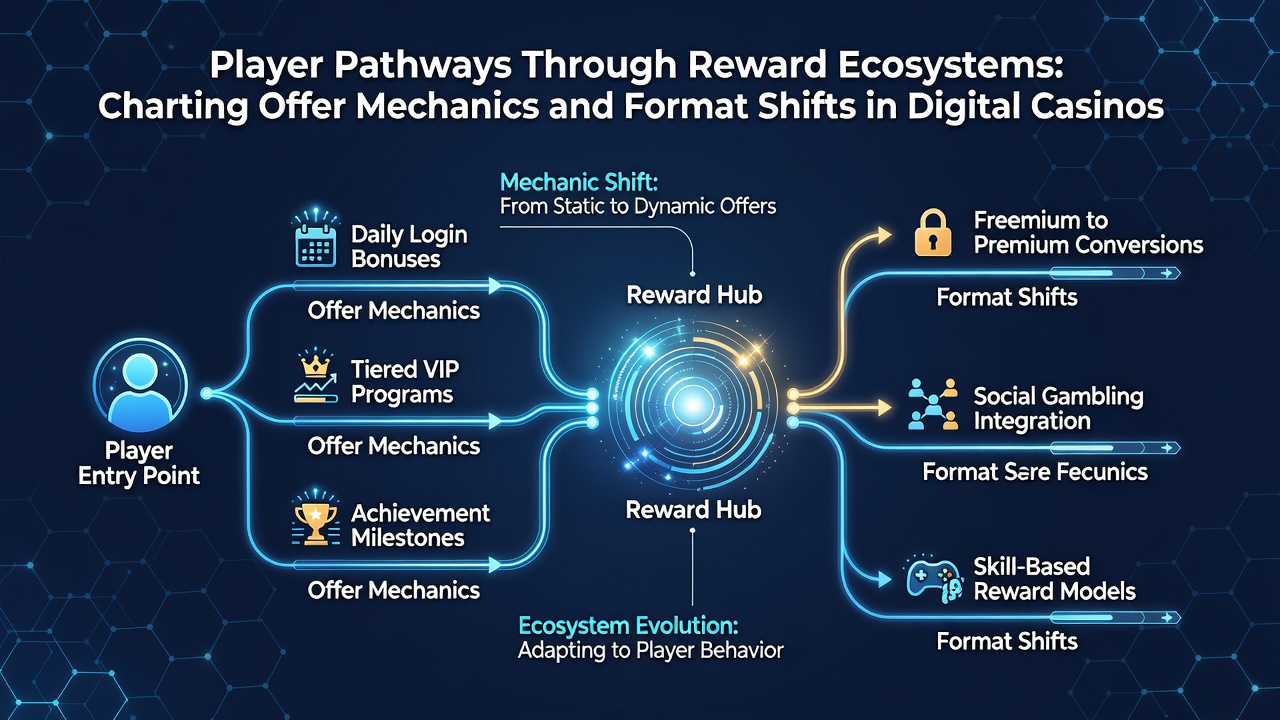
One study conducted by researchers at the Australian Gambling Research Centre examined session records from 2025 and found that reward sequences incorporating format-specific bonuses produced higher rates of migration between categories compared to uniform credit distributions, with patterns holding across both desktop and mobile access points.
November 2026 brought updated compliance requirements from the iGaming Ontario that mandated clearer disclosure of how offer mechanics influence game recommendations, resulting in platforms adjusting notification systems to reflect actual format transition data rather than generalized promotions.
Regional Data and Ecosystem Variations
European operators under Malta Gaming Authority oversight report similar navigation trends where players receiving tiered rewards demonstrate extended engagement across table and reel environments, whereas North American state-level data from New Jersey Division of Gaming Enforcement highlights shorter but more frequent format switches tied to daily offer resets.
These variations stem from differences in reward pacing and game availability, with systems in regulated markets logging precise metrics on how mechanics such as multiplier expirations or category exclusions steer user choices toward specific sections at key points in the session lifecycle.
Conclusion
Reward ecosystems in digital casino settings function through interconnected mechanics that map player progression via measurable activity thresholds, and available evidence from multiple jurisdictions confirms that format shifts emerge directly from the structure of these offers rather than isolated preferences, providing operators with documented pathways for sustained participation across varied game types.